Foley effects
Foley effects are the production and recording of sound effects. They are usually created by foley artists to help enhance the realism and try to make the film as realistic as possible. Examples of foley effects that could be walking on snow, creaking doors and so much more. Some examples of this being used are in the videos below:
Wild tracks
Wild tracks are audio that can be recorded on location or extra takes of lines preformed for audio only. Sometimes wild tracks are recorded separately after the production has taken place. This could be because they ran out of time or the wild track wasn't available at the time and needed to be synchronised. Below is an example of wild tracks being used:
Theme music
Theme music is used recorded and produced to show a specific character or team entering the scene within a film. An example of where this is shown is in Star Wars with the entering of Darth Vader:
Voice-Overs
Voice-overs are used in audio-visual products in a variety of ways. However, one of the main purpose of using voice-overs is that to show a character's thoughts that are being expressed or narrating the story. Below is an example of where voice-overs are being used for this specific purpose:
Scripted speech
Scripted speech allows the actor to deliver their lines in a specific way so that the dialogue spoken creates that specific meaning that the director wants to create. An example of where this is shown is in the radio programme: The Archers Omnibus.
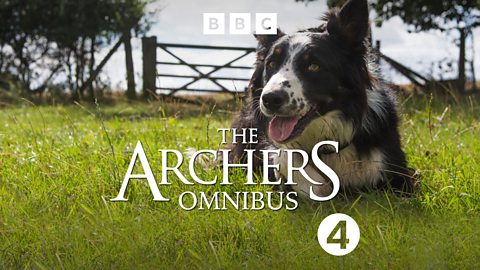
https://www.bbc.co.uk/sounds/play/m001x48r
By looking at the scripted speech, we can see that the actors rehearse their lines with each other so that they can act as believably as possible.


No comments:
Post a Comment